Information Technology (IT) encompasses a broad spectrum of computer systems, software, and networks designed for data processing and management. It serves as the backbone of modern organizational operations, ensuring data is organized, secure, and readily accessible. The strategic integration of IT is essential for businesses aiming to enhance efficiency and remain competitive. However, as technology evolves, new challenges and opportunities arise, prompting further examination of IT’s future influence on various sectors.
Definition of Information Technology
Information Technology (IT) encompasses the use of computer systems, software, and networks for the processing and distribution of data.
Effective data management is crucial within IT, ensuring organized, secure, and accessible information.
Additionally, system integration plays a vital role, allowing disparate technological components to function cohesively.
This synergy enhances operational efficiency and empowers users, promoting autonomy in data-driven decision-making processes.
See also: How Technology Shapes the Future
Key Components of IT
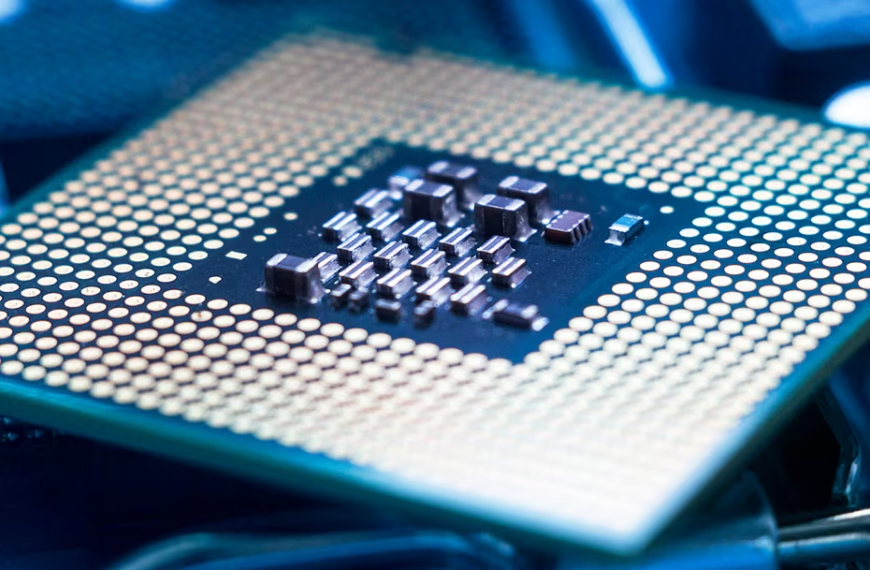
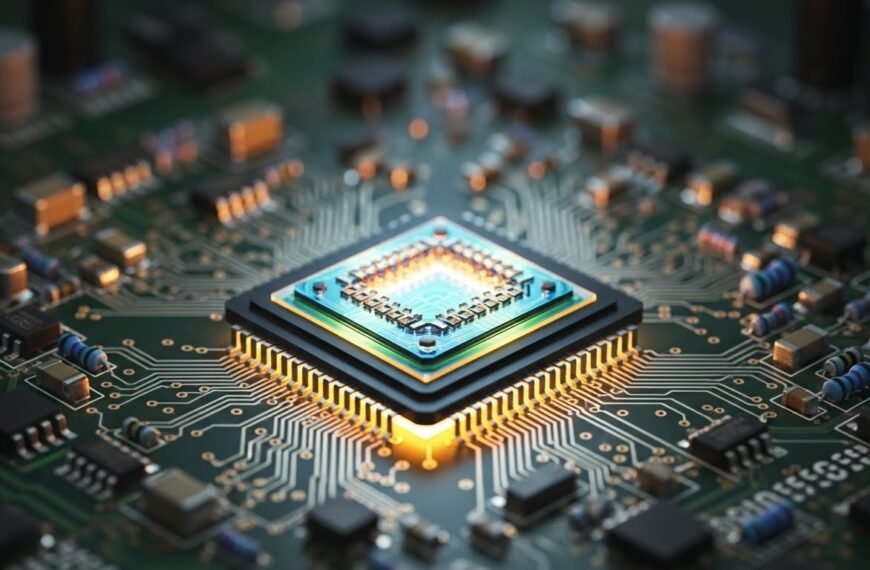
The foundational elements of Information Technology (IT) include hardware, software, networking, and data management systems, each playing a critical role in the overall functionality of IT infrastructures.
Hardware components provide the physical framework, while software applications deliver necessary functionalities. Networking facilitates communication between systems, and data management ensures efficient storage and retrieval, collectively enabling organizations to operate effectively and leverage technological advancements.
Importance of IT in Business
While many factors contribute to business success, the strategic integration of Information Technology (IT) stands as a cornerstone for operational efficiency and competitive advantage.
IT enables streamlined processes, enhances data management, and fosters communication, all of which significantly boost business efficiency.
Furthermore, leveraging advanced technologies allows organizations to differentiate themselves in the marketplace, securing a competitive advantage and driving sustainable growth.
Future Trends in Information Technology
As businesses continue to harness the power of Information Technology (IT) for operational efficiency and competitive advantage, emerging trends are set to reshape the landscape of the industry.
Notably, artificial intelligence is revolutionizing decision-making processes, while cloud computing enhances flexibility and scalability.
These advancements enable organizations to innovate rapidly, respond to market demands, and maintain a competitive edge in an increasingly digital environment.
Conclusion
In the intricate tapestry of modern business, information technology serves as the vibrant thread weaving together data, systems, and communication. As organizations navigate the shifting currents of a digital landscape, IT emerges as both a compass and a sail, guiding strategic decisions and propelling growth. The future, illuminated by emerging technologies, promises to enhance this framework, fortifying its role as the backbone of innovation and efficiency. Ultimately, IT remains the cornerstone upon which competitive advantage is built.