osstoday || oss today || oss


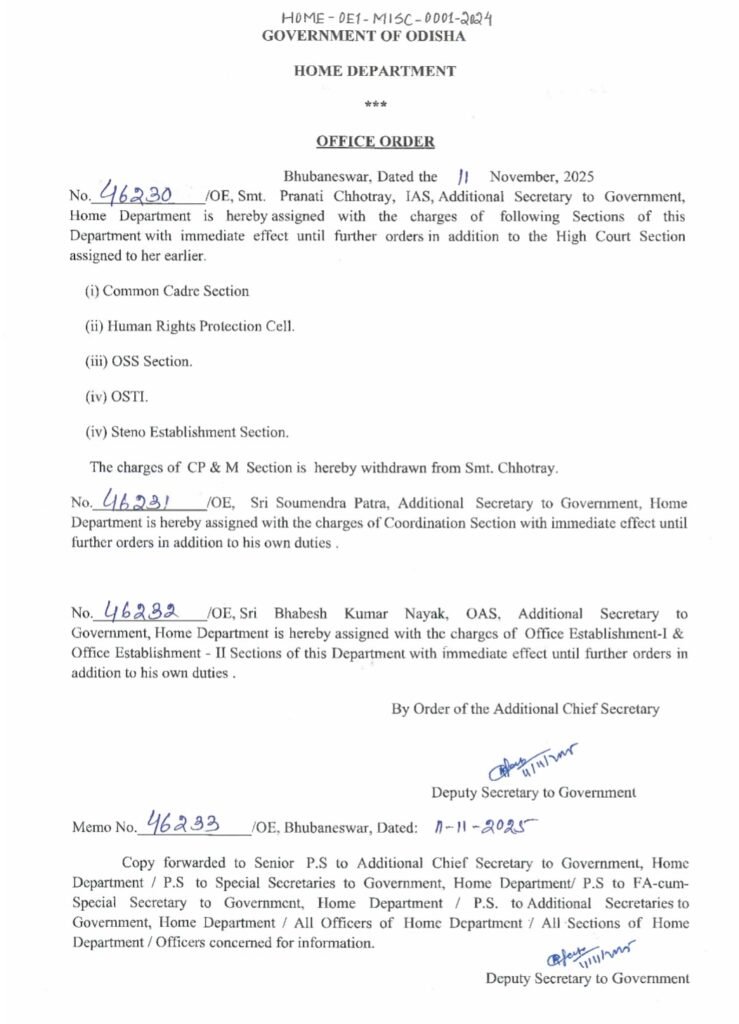
New Additional Secretary assigned OSS Section

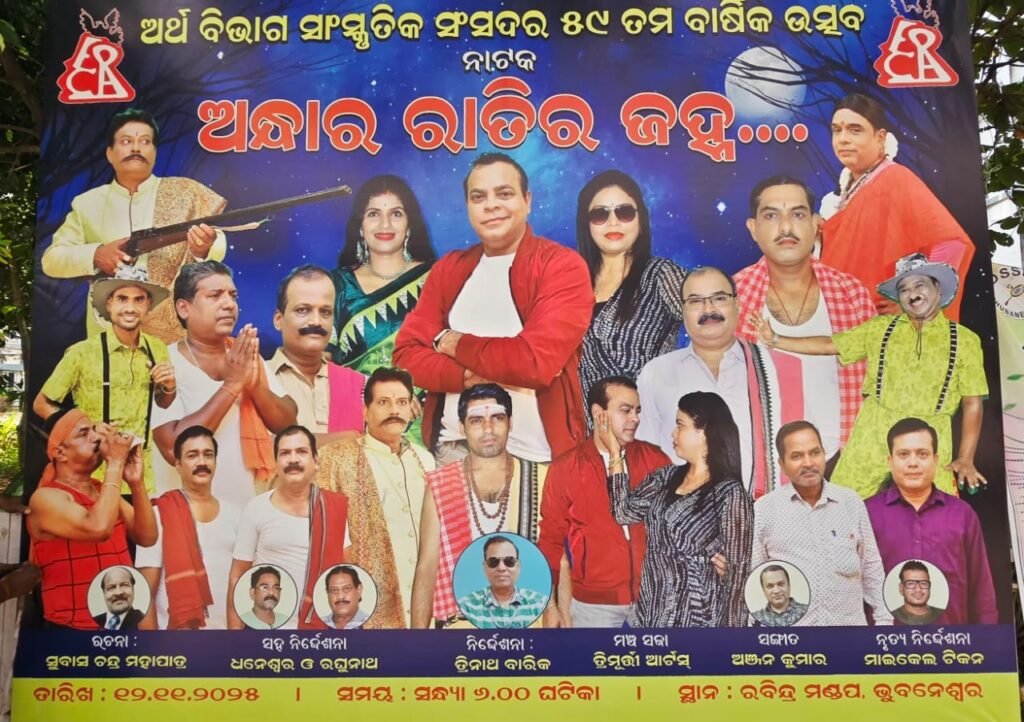
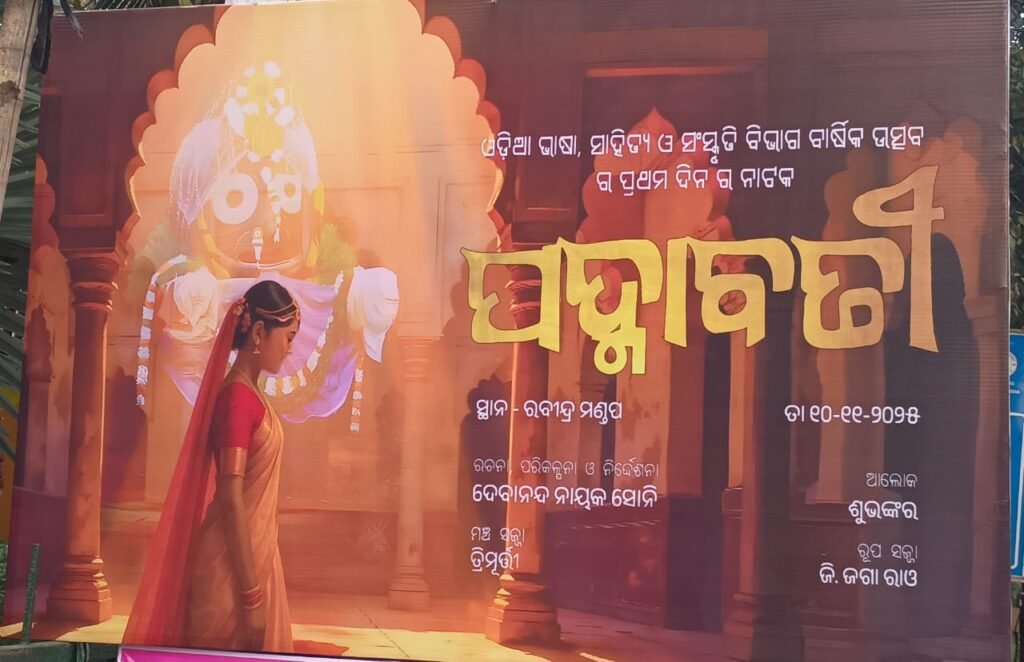
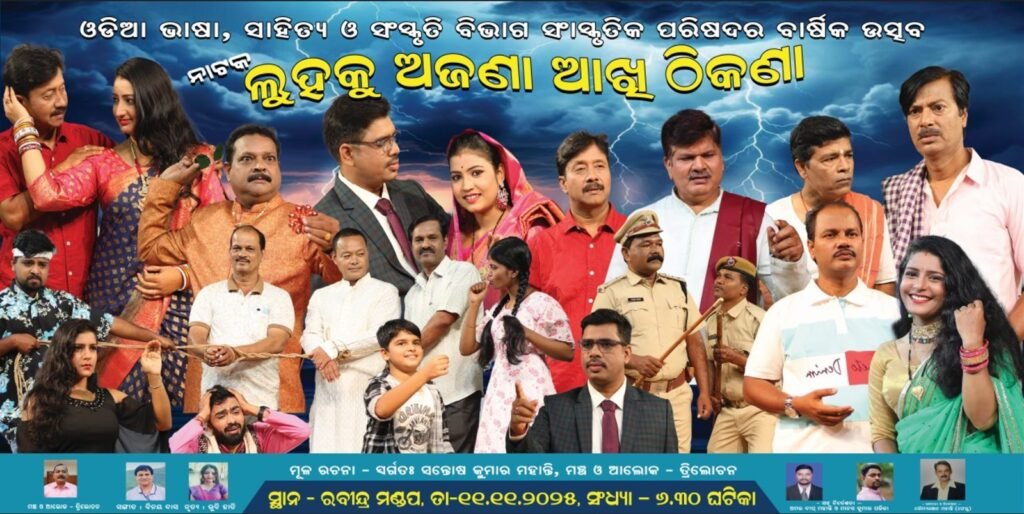
Annual Function 2025 : Finance Department Cultural Association
Secretariat Cup 2025 : Home (Election) Champion
The Home (Election) Department emerged victorious over the Cooperation Department in the final match of the Secretariat Cup (Football) 2025, hosted by the PRDW Department Cultural Association.


Champion: Home (Election) Department
Runners-up: Cooperation Department
Third Place: Finance Department
Fair Play Team Award: PRDW (B) Team
Best Sportsmanship Award: Nabin (E&IT)
Most Valuable Player (MVP): Jitendra (Home–E)
Best Goalkeeper: Sangram (Home–E)
Best Defender: Nirmal (PRDW)
Emerging Player of the Tournament: Amit Oram (PE)
Best Goal: George S. Dalei (Steel & Mines)
Annual Function: OLL&C


Finance, Agriculture, Cooperation & Home(Election) enters Semifinal Round
The Finance, Agriculture & FE, Cooperation, and Home (Election) Departments have secured their spots in the semifinals of the Secretariat Cup 2025 after winning their respective quarterfinal matches.

Commemoration of 150th years of National Song “Vande Mataram”
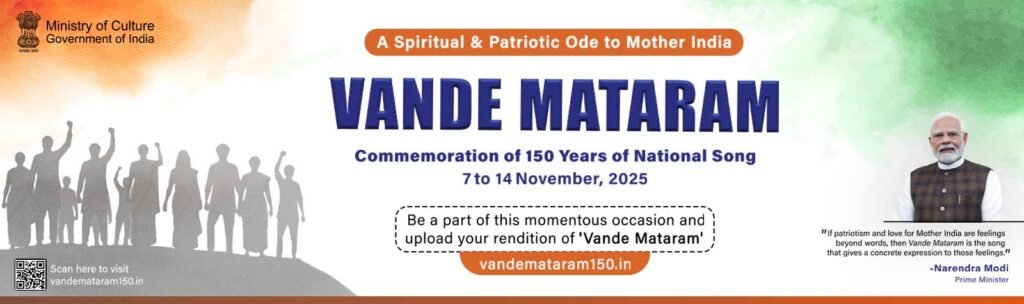
ଭାରତର ଜାତୀୟ ଗୀତ “ବନ୍ଦେ ମାତରଂ”ର ୧୫୦ତମ ବାର୍ଷିକୀ ପାଳନ
ରାଷ୍ଟ୍ରୀୟ ସ୍ତରର କାର୍ଯ୍ୟକ୍ରମ
ସ୍ଥାନ: ଇନ୍ଦିରା ଗାନ୍ଧୀ ଇଣ୍ଡୋର ଷ୍ଟାଡିୟମ, ନୂଆଦିଲ୍ଲୀ
ରାଜ୍ୟ ସ୍ତରର କାର୍ଯ୍ୟକ୍ରମ
ସ୍ଥାନ: ପଞ୍ଚାୟତିରାଜ ବିଭାଗ ସାମ୍ନା ପଡ଼ିଆ, ଲୋକସେବା ଭବନ
ତାରିଖ ଓ ସମୟ
ତା. ୦୭.୧୧.୨୦୨୫ (ଶୁକ୍ରବାର)
- ପୂର୍ବାହ୍ନ ୯:୩୫ – ମାନ୍ୟବର ପ୍ରଧାନମନ୍ତ୍ରୀଙ୍କ ଦ୍ୱାରା ଉଦଘାଟନ
- ପୂର୍ବାହ୍ନ ୯:୫୦ – ରାଷ୍ଟ୍ରୀୟ ସଙ୍ଗୀତ “ବନ୍ଦେ ମାତରଂ” ସମୂହ ଗାନ
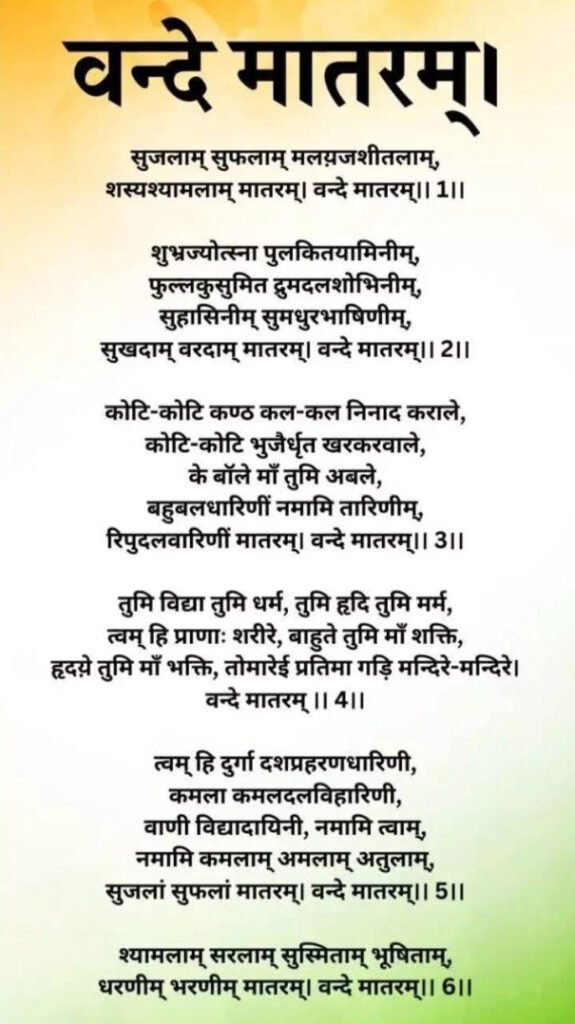

Prime Minister Shri Narendra Modi to Launch Year-Long Celebration Marking 150 Years of the National Song “Vande Mataram” on 7 November 2025
Posted On: 05 NOV 2025 8:58 PM by PIB Delhi
The Ministry of Culture is set to host the inaugural ceremony for the 150th Anniversary of India’s National Song, “Vande Mataram,” on 7 November 2025 at the Indira Gandhi Indoor Stadium, New Delhi. Prime Minister Shri Narendra Modi will attend the event as the Chief Guest, officially commencing a nationwide, year-long celebration that will run from 7 November 2025 to 7 November 2026. This commemoration honours the enduring legacy of a composition that inspired India’s freedom struggle and continues to symbolize national unity and pride.
The year 2025 marks 150 years of “Vande Mataram,” written by Bankimchandra Chatterji, believed to have been composed on Akshaya Navami, 7 November 1875. The song first appeared in the literary journal Bangadarshan as part of Chatterji’s novel Anandamath, initially serialized and later published as a standalone volume in 1882. During that era, India was experiencing profound social, cultural, and political shifts, along with a strengthening sense of national consciousness and resistance to colonial rule. “Vande Mataram,” which glorifies the Motherland as a symbol of strength, prosperity, and divinity, captured this awakening spirit and quickly became a powerful emblem of national devotion. On 24 January 1950, Dr. Rajendra Prasad, then President of the Constituent Assembly, affirmed that the song—having played a pivotal role in India’s freedom movement—would receive equal status alongside the National Anthem, Jana Gana Mana.
The celebrations will begin at 10:00 AM with a nationwide Mass Singing of the full version of “Vande Mataram,” with participation from citizens across all sections of society—students, officials, representatives, frontline workers, and the general public—held simultaneously with the main event attended by the Prime Minister.
Recognizing the song’s historical and cultural significance, the Union Cabinet, under the leadership of the Hon’ble Prime Minister, approved the nationwide observance on 1 October 2025. Following this, the National Implementation Committee sanctioned the year-long commemoration on 24 October 2025.
Key highlights of the inaugural event include:
- Cultural performances prior to the arrival of the Chief Guest
- A guided tour of a curated exhibition tracing 150 years of “Vande Mataram”
- Floral homage to Bharat Mata
- Vande Mataram: Naad Ekam, Roopam Anekam — a grand cultural concert led by world-renowned violinist Dr. Manjunath Mysore, featuring around 75 artists showcasing various traditional Indian musical genres
- Screening of a short documentary titled 150 Years of Vande Mataram
- Release of a commemorative stamp and coin
- Addresses by distinguished dignitaries
- Keynote Address by the Prime Minister
- Mass singing of “Vande Mataram”
All States/UTs, Union Ministries, and their associated institutions will also conduct the Mass Singing at 10:00 AM on 7 November 2025 at their respective premises, synchronized with the central event. Arrangements will be made nationwide for collective viewing of the Prime Minister’s live address.
The Ministry of Culture has also launched a dedicated campaign portal, vandemataram150.in, which provides:
- Official branding materials (banners, hoardings, digital creatives)
- The short film and curated exhibition
- Audio and lyrics of the full song for Mass Singing
- A “Karaoke with Vande Mataram” feature, enabling citizens to record and upload their own renditions
People from every walk of life are invited to participate wholeheartedly, expressing their patriotism and paying tribute to a national song that continues to inspire unity, respect, and collective identity.
8- Teams enter Quarter Final : Matches on 6th November
Eight teams — Finance, School & Mass Education, Revenue & DM, Agriculture & FE, Panchayati Raj & DW, Cooperation, Fisheries & ARD, and Home (Election) Department — have qualified for the Quarter Finals of the Secretariat Cup (Football), 2025, organized by the Panchayati Raj & Drinking Water Department Cultural Association.
As per the schedule, the following quarter-final matches will be held on 6th November 2025 at the Secretariat Mini Stadium.

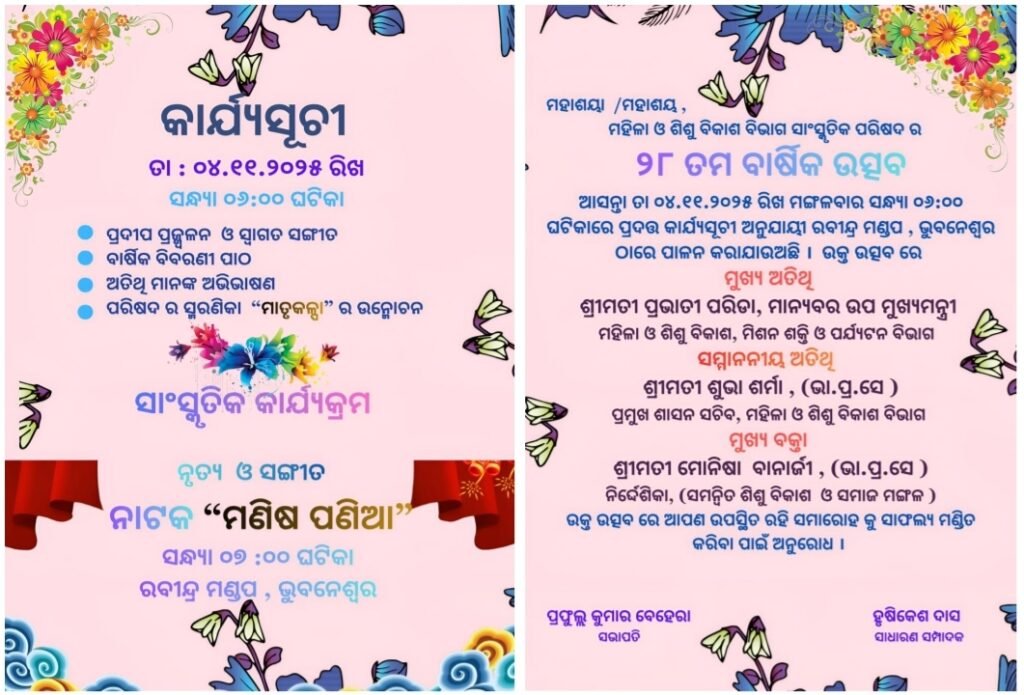
Annual Function : W&CD Department Cultural Association

Registration Form for Creche ‘KALIKA’ inside Kharvel Bhawan
facility “KAALIKA” for their children. Employees are requested to submit their applications in the prescribed format by 07.11.2025 for scrutiny and further processing.
Note: Preference in the first phase will be given to children aged 6 months to 3 years.
UNDERTAKINGS
- Parents must comply with all rules and regulations of the creche.
- Parents are required to provide all necessary food for their child for the entire day.
- Children who are ill or have health issues should not be sent to the creche, as they require special care and parental attention.
- The creche facility will be available to children only while their parents remain employees of the Secretariat.
- The well-being of the child is the responsibility of the parents; the creche management will not be liable for any incidents beyond their control.
- In case of any emergency or health issues during creche hours, parents must immediately attend to their child and take necessary action.
- For safety and security reasons, children should not be brought inside departmental premises and must remain at the creche during working hours.
Secretariat Cup (Football) 2025 : Pre-Quarter Final starts today
ଗତ ଅକ୍ଟୋବର ୧୬ ତାରିଖରୁ ସଚିବାଳୟ ମିନିଷ୍ଟାଡିୟମରେ ଆୟୋଜିତ ୪ଥ ଆନ୍ତଃ-ବିଭାଗୀୟ ଫୁଟବଲ ଟୁର୍ଣ୍ଣାମେଣ୍ଟ ୨୦୨୫ର ଲିଗ୍ ପର୍ଯ୍ୟାୟର ମ୍ୟାଚ୍ ଶେଷ ହୋଇ ସାରିଛି। ପଞ୍ଚାୟତିରାଜ ଓ ପାନୀୟ ଜଳ ବিভାଗ ସାଂସ୍କୃତିକ ପରିଷଦ ଦ୍ୱାରା ଆୟୋଜିତ ଏହି ଟୁର୍ଣ୍ଣାମେଣ୍ଟରେ ୩୩ଟି ବିଭାଗ ୮ଟି ଗ୍ରୁପରେ ବିଭାଜିତ ହୋଇ ଖେଳିଥିଲେ। ପ୍ରତ୍ୟେକ ଗ୍ରୁପରୁ ଶୀର୍ଷ ଦୁଇଟି ଦଳ ପ୍ରି-କ୍ୱାର୍ଟର ଫାଇନାଲ୍ ପାଇଁ ଚୟନ ହୋଇଛି। ଏହି ପ୍ରି-କ୍ୱାର୍ଟର ମ୍ୟାଚ୍ଗୁଡିକ ୩ ଓ ୪ ନଭେମ୍ବର, ୨୦୨୫ରେ ଖେଳାଯିବ।
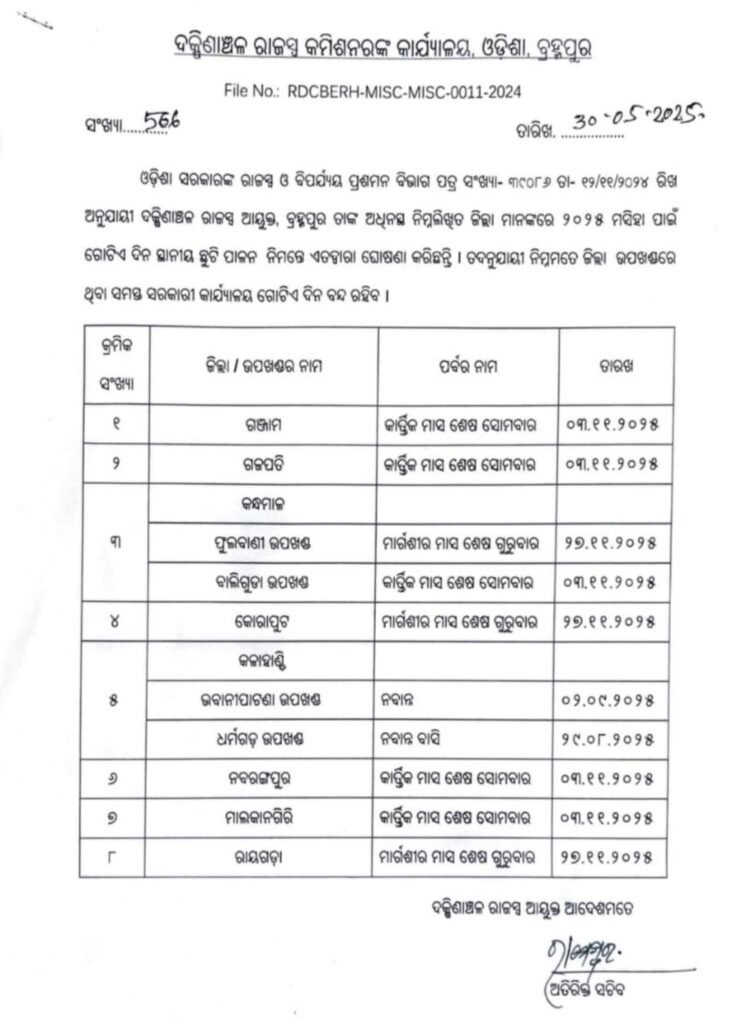
Local Holiday on 3rd, 4th & 6th November for Bada Osha & Chhadakhai
The Revenue Divisional Commissioner (South Division), Berhampur has declared 3rd November 2025 (last Monday of Karttik month) as a local holiday for the following areas:
- Ganjam, Gajapati, Nabarangpur, Malkangiri Districts and Baliguda Sub-Division.
The Revenue Divisional Commissioner (North Division), Sambalpur has declared the following local holidays:
- 4th November 2025 (Bada Osha): Angul & Dhenkanal Districts
- 6th November 2025 (Chhadakhai): Deogarh District and Sundargarh Sadar Sub-Division


16th Secretariat Open Badminton Tournament 2025

Retirement of OSS officers on 31.10.2025

OSSEWCC celebrates 150th Birth Anniversary of Bhagwan Birsa Munda

Observance of Rastriya Ekta Diwas (National Unity Day)
The Government observes 31st October nationwide as a special occasion to promote and reinforce our commitment to safeguarding the unity, integrity, and security of the nation. This day is celebrated as Rashtriya Ekta Diwas (National Unity Day) in honor of the birth anniversary of Sardar Vallabhbhai Patel.
The observance serves as an opportunity to reaffirm the nation’s inherent strength and resilience in facing both existing and potential challenges to its unity, integrity, and security.
The Home Department has issued instructions to all Departments, Heads of Departments, Collectors, and SPs to organize a pledge-taking ceremony at 11:00 AM on 31st October 2025, with Heads of Offices leading the observance of Rashtriya Ekta Diwas (National Unity Day) 2025


Corruption = Monopoly + Discretion – Accountability : Usha Padhee, IAS
VIGILANCE Awareness Week is just around the corner, and this year’s theme, “Vigilance: Our Shared Responsibility”, strikes a deep chord with me. I have experienced firsthand what it truly means to shoulder this responsibility—not just in words, but in action.
Corruption in government offices is often talked about, yet those who come forward to expose it frequently face long, intimidating, and convoluted procedures. Systems designed to safeguard integrity sometimes end up exhausting those striving to uphold it. Delays, bureaucratic hurdles, and personal harassment can shake anyone’s faith in the fight against corruption. Still, I firmly believe that if we aspire to become a genuinely developed nation, we must confront these realities directly. My aim in sharing this is not to discourage, but to advocate for reform.
In 2018, while serving in the Ministry of Civil Aviation, I received a complaint against an Assistant Section Officer (ASO) in our department, accused of demanding bribes for issuing No Objection Certificates (NOCs) to airlines. Civil aviation is a highly regulated sector, given the safety and security concerns involved. Even individuals wishing to buy an aircraft for personal use had to obtain an NOC from the department—a rule I later abolished to encourage Ease of Doing Business.
One day, a private airline promoter approached me, visibly distressed. He confided that the ASO had demanded money to clear his file. I was taken aback. I had always believed my team to be guided by integrity and purpose. But I assured him I would take action. Soon, I was connected to the ASO over a phone call. At that moment, I had a choice: disconnect or act as a witness. I knew the risks, but thought, if not me, then who? I continued to listen. The ASO, unaware I was on the line, demanded a bribe for clearing a file already approved at the competent level. The disappointment was deeply personal—this was someone I had mentored and trusted.
Without hesitation, I reported the matter to the Establishment Officer and the Secretary of the Ministry. Many colleagues advised me to handle it quietly, warning of personal risks. But my conscience would not allow me to stop there; I wanted to deter such wrongdoing. I filed a formal complaint with the Vigilance Division, which eventually referred the case to the CBI.
As it is often said,
Corruption = Monopoly + Discretion – Accountability.
Vigilance is not just a departmental duty—it is a shared responsibility of every citizen and every officer committed to integrity. My actions raised eyebrows; it is rare for an IAS officer to voluntarily escalate a corruption case within their own office to the CBI. Yet, I believed it was my duty, even if it came with a cost.
CBI officials recorded my statement and requested the mobile phone containing the evidence. A senior IPS officer assured me it would undergo forensic examination and be returned promptly. That was in 2018. Today, in 2025, the phone remains in court custody as evidence. Though the CBI was professional and courteous, procedural complexities have prevented its return.
Over the years, I have given statements at three different venues, including before an Under Secretary during an internal inquiry. Each time, I hoped for progress, only to hear, “It depends on the court.” After moving back to Odisha in 2023, I was summoned twice to Delhi for witness testimony and cross-examination. Curiosity surrounded my presence in the CBI court; I had to clarify repeatedly that I was a witness, not the accused. The defense’s strategy was clear: cast doubt, delay, deny. Attempts were made to question whether the voice I heard truly belonged to the ASO.
The judicial process is rightly rigorous to protect the innocent. Yet, technicalities often stall justice for years. For the accused, the stakes are high: a proven corruption charge could end a promising career. Consequently, cases are frequently prolonged or diverted.
Today, the case remains open. My phone remains seized. The accused continues to serve in government, and I continue to hope the case reaches closure before my retirement. Even if the financial and personal cost falls on me, I will not regret filing it.
The larger lesson here is to simplify the system. Corruption thrives in opaque, complex procedures. To improve governance and promote ease of doing business, we must reduce monopoly, limit discretion, and strengthen accountability. Vigilance is not merely a departmental duty; it is the shared responsibility of every citizen and every officer who believes in integrity. I filed this case not only for justice but also for a system better than it was yesterday.
(The writer is a Senior Administrative Service Officer. Views are personal.)
